
How to Choose the Right Natural Face Oil for Your Skin Type
In the journey of pursuing radiant, healthy skin, many women encounter a myriad of challenges. Whether it’s battling dryness in the colder months, managing the occasional flare-up of acne, coping with sensitivity, or addressing the signs of aging, our skin often tells a story of its own. The good news? The gentle embrace of natural facial oils can provide a nurturing solution that harmonizes with our skin’s unique needs.
Understanding Natural Face Oils
Natural face oils, derived from plants and seeds, offer a myriad of benefits from hydration to protection. Each oil holds unique properties that work in synergy with our skin. Here are some popular choices:
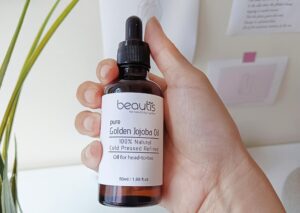
- Jojoba Oil: Mimics our skin’s natural sebum, making it an excellent choice for balancing oily skin.
- Rosehip Oil: Packed with vitamins and essential fatty acids, it’s perfect for rejuvenating and healing the skin, especially for aging or scarred skin.
- Castor Oil: Renowned for its rich, viscous texture, castor oil helps cleanse impurities while delivering deep hydration for a smoother, radiant complexion.
- Grapeseed Oil: Light and non-comedogenic, it’s wonderful for sensitive and acne-prone skin.
- Argan Oil: Renowned for its nourishing properties and high vitamin E content, it’s a boon for aging skin.
- Sweet Almond Oil: Gentle yet effective, it offers relief for sensitive skin and soothes irritation.
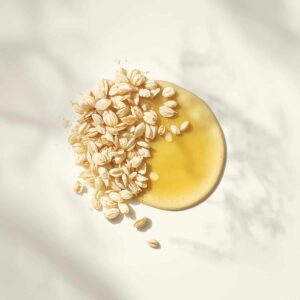
- Oat Oil: Calming and anti-inflammatory, perfect for those with redness or irritation.
- Pomegranate Seed Oil: Delivers powerful antioxidant care, helping to rejuvenate the skin and enhance its natural glow.
Looking for high-quality face oils for your skin type? Explore our collection of natural, cold-pressed oils.
Matching Oils to Your Skin Type
Choosing the right oil starts with understanding your skin type:
- Oily Skin: Choose for lighter oils like jojoba oil or grapeseed oil. These will help balance oil production without clogging pores.
- Dry Skin: Embrace richer oils such as pomegranate seed oil or argan oil or castor oil. Their deep hydration will nourish your skin, leaving it supple.
- Sensitive Skin: Gentle oils like sweet almond oil or oat oil help calm irritation to enhance moisture and support the skin barrier.
- Normal Skin: Oils such as jojoba and sweet almond provide balanced nourishment, helping to maintain healthy, hydrated, and naturally radiant skin.
- Acne-Prone Skin: Non-comedogenic oils like rosehip or grapeseed oil are preferred, while castor oil can be used sparingly to help cleanse and balance the skin when diluted with lighter oils.
- Aging Skin: Choose oils like pomegranate seed oil or rosehip oil to boost elasticity and help minimize visible signs of aging. Castor oil helps deeply hydrate and plump the skin, reducing the appearance of fine lines.
- Combination Skin: A blend of light oils such as jojoba oil for balance, along with heavier oils like argan oil for dry patches works seamlessly together.
Practical Usage Tips and Gentle Cautions
Incorporating face oils into your skincare routine can be a transformative experience. Here are some practical tips to ensure you reap the maximum benefits:
- Start Slow: Introduce oils gradually into your regimen to gauge how your skin reacts. A few drops can go a long way.
- Layer Wisely: Apply oils on damp skin to lock in moisture, and follow with a moisturizer for added hydration.
- Patch Test: Always conduct a patch test with a new oil to avoid unwanted reactions, particularly with sensitive skin.
- Avoid Overuse: While oils are beneficial, using too much can lead to congestion and dullness. A few drops are often sufficient.
While the world of natural face oils offers a treasure trove of benefits, it’s important to be mindful of comedogenic properties. Some oils, if used in excess or if they don’t suit your skin type, can lead to breakouts or irritation. Being attentive to your skin’s signals will guide you toward the harmonious application of these luxurious products.
Embracing high-quality plant oils or blends can enhance your skin’s natural beauty and overall health. As you embark on this journey, consider your individual skin needs and indulge in the nurturing experience that nature provides. Your journey to glowing skin might just begin with the perfect face oil tailored for you.
According to dermatology research, choosing the right face oil depends on your skin type and how your pores respond to different oils.
Frequently Asked Questions About Face Oils
Q1: Can face oil clog pores?
Not all oils clog pores. Lightweight oils like jojoba and grapeseed are non-comedogenic and suitable for oily or acne-prone skin.
Q2: Should I use face oil before or after moisturizer?
Face oil should be applied after moisturizer to lock in hydration and protect the skin barrier.
Q3: Which face oil is best for oily skin?
Jojoba oil and grapeseed oil are ideal because they help regulate sebum without clogging pores.
Q4: Can face oil help with anti-aging?
Yes, oils like rosehip and argan oil are rich in antioxidants that support skin elasticity and reduce signs of aging.